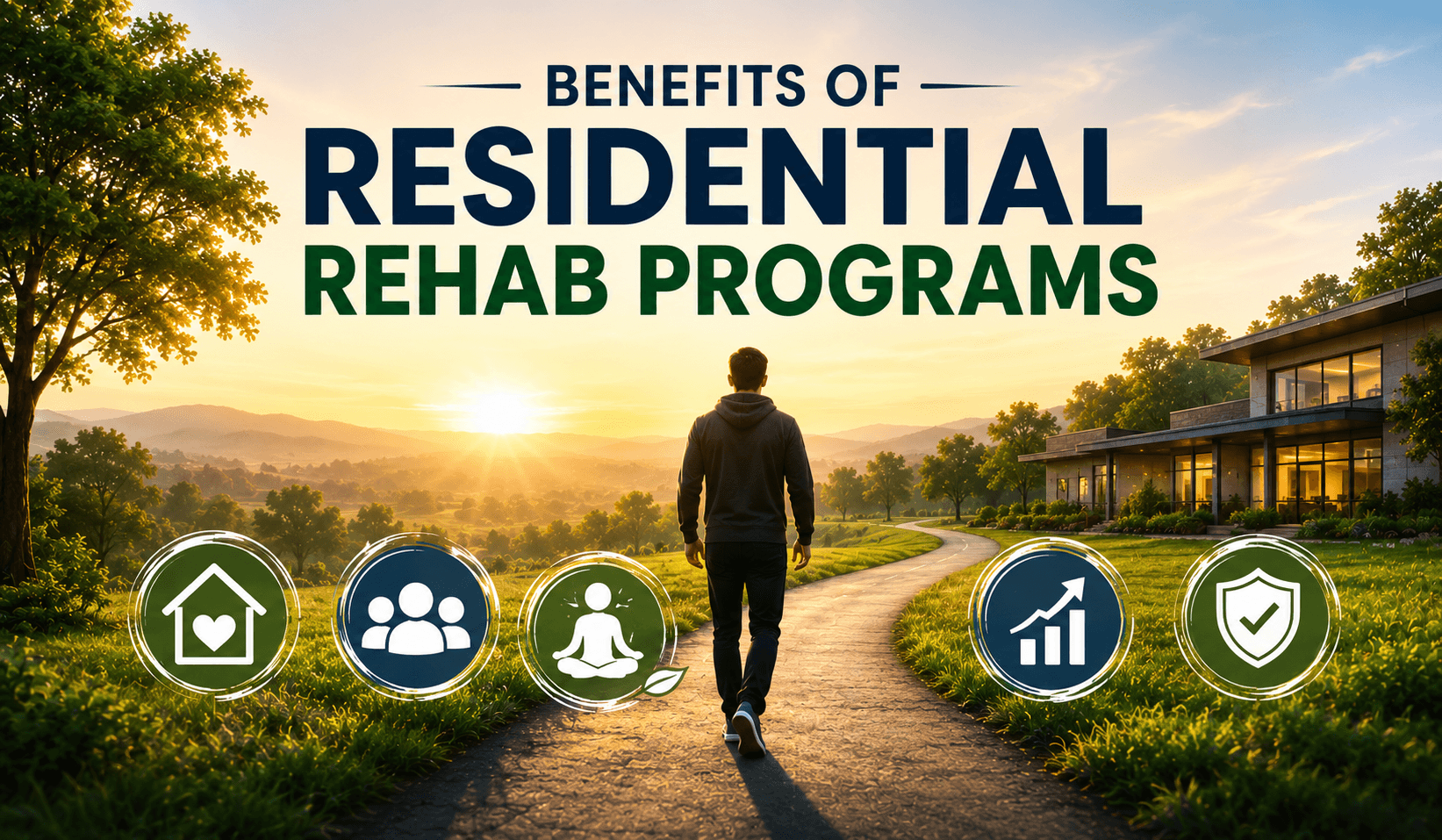
Recovery is not just about stopping alcohol or drugs. It is about rebuilding a healthy, meaningful life. For many people struggling with addiction, staying in the same environment where substance use began makes recovery much harder. Old habits, familiar triggers, and easy access to drugs or alcohol often lead to repeated relapse. This is where residential rehabilitation programs make a real difference. They provide a safe, structured environment where individuals can focus completely on healing without the distractions and pressures of everyday life. Instead of simply treating addiction, residential rehab helps people understand the root causes of their substance use and teaches them healthier ways to cope with life’s challenges. At We Can Rehab, recovery is seen as a journey rather than a quick fix. With professional care, personalized treatment plans, and continuous emotional support, individuals get the opportunity to regain control of their lives and build a stronger future. If you or someone you love is looking for a fresh start, understanding the benefits of residential rehab can help you make an informed decision.
What Is a Residential Rehab Program?
A residential rehab program is a treatment program where individuals live at the rehabilitation center for a specific period while receiving round the clock medical care, therapy, counseling, and emotional support. Unlike outpatient treatment, residential rehab removes people from unhealthy surroundings and places them in a secure environment focused entirely on recovery. Every day follows a planned schedule that includes therapy sessions, wellness activities, healthy meals, exercise, and time for self reflection. This structured approach gives individuals the time and space they need to recover both physically and emotionally.
1. A Safe Environment Makes Recovery Easier
One of the biggest challenges in overcoming addiction is avoiding triggers. These triggers may include certain places, people, stressful situations, or even daily routines that encourage substance use. Residential rehab removes these distractions. Living in a supportive environment allows individuals to focus only on recovery. There is no pressure to attend social gatherings where alcohol is present or meet people who encourage substance use. Instead, every part of the environment is designed to support healing. Sometimes, changing your surroundings is the first step toward changing your life.
2. Medical Care Is Always Available
Many people experience withdrawal symptoms when they stop using alcohol or drugs. Depending on the substance involved, these symptoms can range from mild discomfort to serious medical complications. In a residential rehabilitation center, trained healthcare professionals monitor the individual throughout the detox and recovery process. Immediate medical assistance is available whenever required. This constant supervision not only improves safety but also makes the withdrawal process more manageable and less stressful.
3. Personalized Treatment Leads to Better Recovery
No two people experience addiction in exactly the same way. Some struggle because of stress at work. Others may be dealing with trauma, anxiety, depression, or family issues. Treating everyone with the same approach rarely works. Residential rehab programs create personalized treatment plans based on the individual’s medical history, mental health, addiction severity, and personal goals. Therapists adjust treatment as progress is made, ensuring that every person receives the care they truly need.
4. Therapy Helps Heal More Than Addiction
Addiction often develops because of deeper emotional struggles. Simply stopping substance use does not solve those underlying problems. Residential rehab includes different types of therapy that help individuals understand their emotions, recognize unhealthy thought patterns, and develop healthier coping strategies. Therapy may include individual counseling, group therapy, family counseling, behavioral therapy, and relapse prevention sessions. Over time, individuals gain greater self awareness, improved emotional control, and stronger confidence in handling difficult situations without turning to substances.
5. Daily Structure Builds Healthy Habits
One of the hidden benefits of residential rehab is the structured daily routine. Many people battling addiction lose regular sleeping patterns, eating habits, and personal responsibilities. Residential treatment gradually restores these healthy routines. A typical day includes therapy sessions, physical activities, nutritious meals, educational workshops, relaxation techniques, and recreational activities. This consistency helps individuals rebuild discipline, improve physical health, and create habits they can continue after leaving rehab. Healthy routines create a strong foundation for long term recovery.
6. Peer Support Creates Motivation
Recovery can feel lonely when someone believes no one understands their struggles. Residential rehab changes that experience completely. Living alongside others who are also working toward recovery creates a sense of community. People share experiences, celebrate progress together, and encourage each other during difficult moments. Many lasting friendships begin during residential treatment because everyone understands the challenges of addiction without judgment. Knowing you are not alone often becomes one of the strongest sources of motivation.
7. Families Also Become Part of Recovery
Addiction affects the entire family, not just the individual. Relationships often become strained because of broken trust, misunderstandings, and emotional pain. Residential rehab programs frequently include family counseling sessions that help improve communication and rebuild healthy relationships. Family members also learn about addiction, recovery, and how to provide positive support after treatment. Healing together often makes long term recovery more successful.
8. Learning Relapse Prevention Skills
Recovery does not end after leaving a rehabilitation center. Life will continue to present stress, challenges, and unexpected situations. Residential rehab prepares individuals for these moments through relapse prevention training. Patients learn how to identify personal triggers, manage cravings, reduce stress, and respond to difficult situations in healthier ways. Instead of reacting automatically, they develop practical skills that help protect their recovery every day.
9. Better Physical and Mental Health
Addiction affects nearly every part of the body and mind. Residential rehabilitation focuses on complete wellness by improving nutrition, sleep, physical fitness, emotional health, and mental wellbeing. As the body begins to recover, energy levels improve, concentration returns, anxiety often decreases, and overall mood becomes more stable. Recovery becomes more than giving up substances. It becomes a chance to rebuild overall health.
Residential Rehab vs Outpatient Rehab
The following comparison can help families understand which approach offers more comprehensive support.
Feature | Residential Rehab | Outpatient Rehab |
Living arrangement | Stay at the rehab center | Live at home |
Medical supervision | Available 24 hours | Limited scheduled visits |
Exposure to triggers | Very low | Higher |
Daily routine | Fully structured | Flexible |
Therapy sessions | Frequent and intensive | Scheduled weekly or several times a week |
Peer support | Continuous | Limited |
Best suited for | Moderate to severe addiction | Mild addiction or ongoing recovery support |
Why Choose We Can Rehab?
Choosing the right rehabilitation center is an important step toward lasting recovery. At We Can Rehab, every individual is treated with care, respect, and understanding. The team believes that addiction is a health condition that deserves proper treatment and support, not judgment. Each recovery plan is personalized to meet the individual’s needs, helping them heal both physically and emotionally. The center provides a safe and supportive environment with services such as detoxification, counseling, therapy, relapse prevention, and aftercare support. Family involvement is also encouraged, as the support of loved ones can play a valuable role in the recovery journey. At We Can Rehab, the goal is to help individuals regain confidence, rebuild their lives, and move toward a healthier, addiction-free future.
Final Thought: Recovery Is Possible
Many people delay seeking treatment because they believe recovery is impossible or because they fear being judged. The truth is much different. Every day, people overcome addiction and rebuild successful, fulfilling lives with the right support. Residential rehabilitation provides the time, guidance, medical care, and emotional encouragement needed to make lasting recovery achievable. Taking the first step may feel difficult, but it could become the beginning of a completely new chapter. If you or someone close to you is struggling with addiction, seeking professional help today can make all the difference tomorrow.
FAQs
1. What are the main benefits of a residential rehab program?
Residential rehab provides a safe environment, 24 hour medical supervision, personalized treatment, professional therapy, structured daily routines, peer support, and relapse prevention training. These combined services improve the chances of long term recovery.
2. How long should someone stay in residential rehab?
The length of stay depends on the individual’s condition, type of addiction, medical needs, and treatment progress. Some people may benefit from a few weeks, while others may require several months for effective recovery.
3. What treatment services are available at We Can Rehab?
We Can Rehab offers comprehensive addiction treatment, including detox support, individual counseling, group therapy, family counseling, relapse prevention, mental health support, and personalized recovery plans designed to help individuals achieve lasting recovery.
4. Why should I choose We Can Rehab for addiction treatment?
We Can Rehab provides compassionate care, experienced professionals, personalized treatment plans, a structured recovery environment, and ongoing support that focuses on both physical and emotional healing, helping individuals regain control of their lives with confidence.
5. Can family members stay involved during residential rehabilitation?
Yes. Many residential rehab programs encourage family participation through counseling sessions, education, and regular communication. Family involvement often strengthens relationships and improves long term recovery outcomes.