
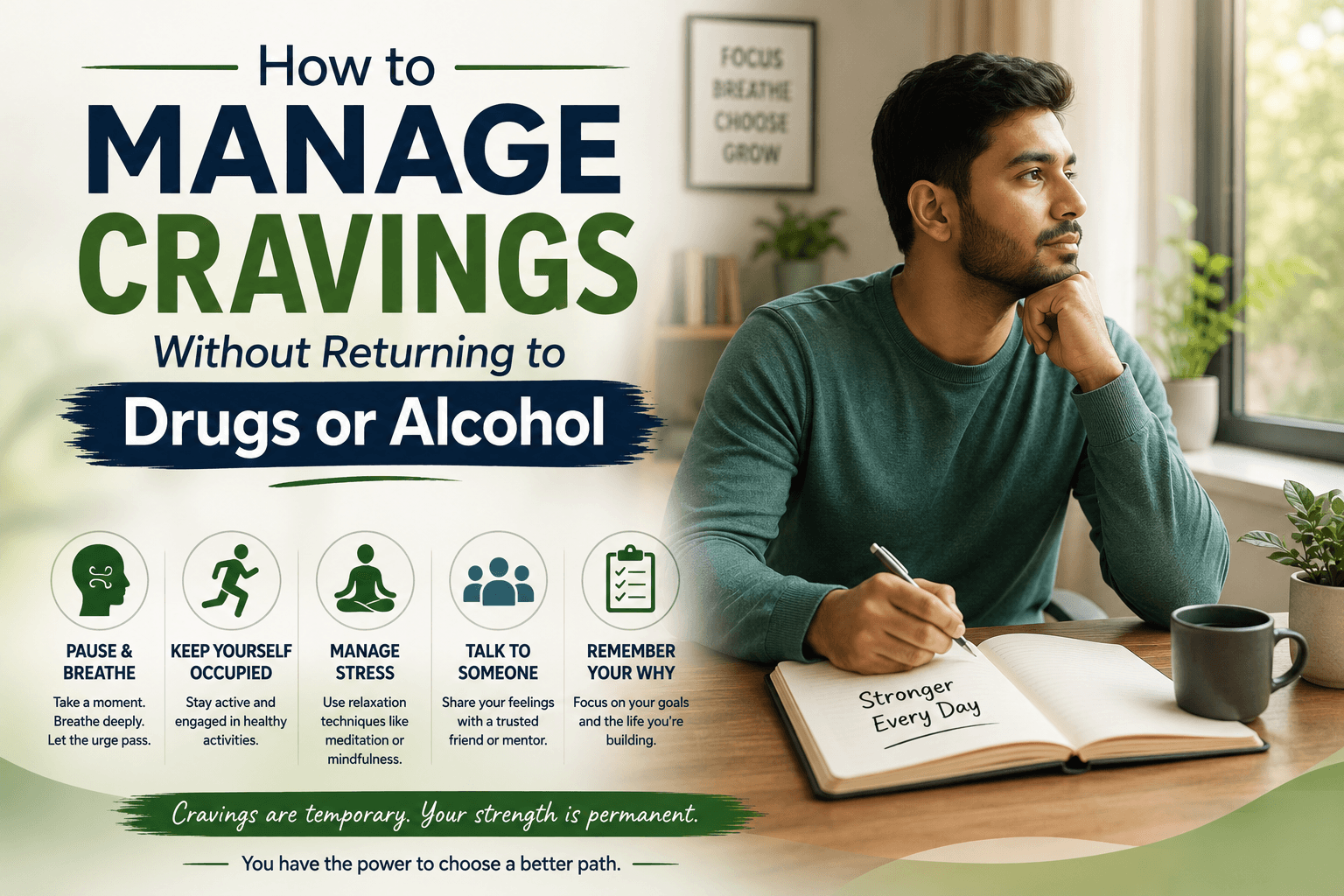
A craving can arrive without warning. One moment you feel in control. The next, your mind is telling you that using drugs or drinking alcohol will make everything easier. But a craving is not a command. It is a strong urge, and urges can pass. Learning how to respond to cravings is one of the most important parts of addiction recovery. Cravings may be triggered by stress, people, places, memories, emotions, or even certain times of the day. The goal is not always to make every craving disappear instantly. The real goal is to develop healthy ways to move through the moment without returning to substance use. With preparation, professional support, and daily practice, people can learn to understand their triggers and respond differently. Here are practical ways to manage cravings and protect long-term recovery.
Understand What Triggers Your Cravings
The first step is knowing what makes you want to use drugs or alcohol. Triggers are different for everyone. A person, argument, stressful day, celebration, smell, song, neighbourhood, or feeling of loneliness may bring back the urge to use. Keep track of situations where cravings become stronger. Ask yourself: Where was I? Who was with me? What was I feeling? What happened just before the craving started? Recognising patterns gives you time to prepare. If certain people or places repeatedly put your recovery at risk, avoiding them during early recovery may be necessary. Understanding your triggers does not remove every challenge, but it helps you stop walking into difficult situations unprepared.
During a strong craving, it may feel as if the urge will continue until you give in. However, cravings can rise, reach a peak, and gradually become less intense. Instead of thinking about staying sober forever, focus on getting through the present moment. Give yourself time before making any decision. Move to another room, call someone, take a walk, or start an activity that requires attention. The National Institute on Drug Abuse explains that repeated drug use can change brain circuits involved in reward, stress, and self-control. These changes can make triggers and cravings difficult to manage, which is why continued treatment and support can be important in recovery.
Use the Delay and Distract Method
When a craving appears, avoid reacting immediately. Tell yourself that you will wait before doing anything. During that time, choose an activity that shifts your attention. You could walk outside, clean your room, listen to music, take a shower, prepare food, exercise, or talk with someone you trust. The activity does not need to be complicated. Its purpose is to create distance between the craving and your response. Distraction alone may not solve the reasons behind addiction, but it can be a useful short-term tool when an urge feels intense.
Quick Strategies for Managing Cravings
| Situation | Healthy Response | Why It May Help |
| Sudden strong craving | Delay action and change your surroundings | Creates distance from the immediate urge |
| Feeling stressed | Walk, breathe slowly, or speak with someone | Provides a healthier response to tension |
| Seeing an old drinking or drug-using friend | Leave the situation and contact support | Reduces exposure to a known trigger |
| Feeling lonely | Attend a support activity or call someone | Helps reduce isolation |
| Thinking about past substance use | Focus on recovery goals and consequences | Brings attention back to long-term priorities |
| Frequent cravings | Speak with an addiction professional | Helps identify triggers and improve the recovery plan |
a. Build a Strong Support System
Trying to handle every difficult moment alone can make recovery harder. A strong support system gives you people to contact when cravings become difficult. Support may come from family members, trusted friends, counsellors, recovery groups, or professionals. The important thing is to identify people who genuinely support your recovery rather than encourage old habits. Create a simple contact plan before a crisis happens. Know exactly who you can call when you feel vulnerable. Sometimes, saying, “I am having a difficult craving right now,” can reduce the sense of isolation and help you make a safer decision.
b. Change Your Environment
Your surroundings can have a powerful effect on cravings. Keeping alcohol, drugs, or related items nearby can create unnecessary temptation. Similarly, regularly visiting places strongly connected with past substance use can make early recovery more difficult. Create an environment that supports your new routine. Remove substances and avoid high-risk situations where possible. Spend more time in places where substance use is not encouraged. Changing your environment is not about hiding from life forever. It is about giving your brain and behaviour time to adjust while you develop stronger coping skills.
c. Take Care of Basic Physical Needs
Cravings can feel stronger when you are hungry, exhausted, stressed, angry, or lonely. Basic self-care may seem simple, but it plays an important role in maintaining stability. Eat regular balanced meals, drink enough water, maintain a consistent sleep schedule, and include suitable physical activity in your routine. When your body is tired or neglected, managing difficult emotions may become harder. A healthy routine cannot cure addiction on its own. However, taking care of your body can create a stronger foundation for counselling, therapy, and other parts of recovery.
d. Learn to Sit With Difficult Emotions
Many people have used substances as a way to escape sadness, anger, anxiety, boredom, shame, or stress. During recovery, these emotions may still appear, but the old coping method is no longer safe. Instead of immediately trying to escape an uncomfortable feeling, learn to identify it. Ask yourself what you are actually experiencing and what you need at that moment. Counselling can help people develop healthier coping strategies. Journaling, breathing exercises, physical movement, creative activities, and talking openly with someone may also help. The goal is to learn that uncomfortable emotions can be experienced without automatically returning to substance use.
e. Create an Emergency Plan Before You Need It
Do not wait for a severe craving to decide what you should do. Create a clear plan while you are feeling stable. Write down your main triggers, warning signs, people you can contact, safe places you can visit, and activities that help you manage difficult moments. Keep this information somewhere easy to access. Your plan should also include what to do if you feel close to using again. This may involve contacting your counsellor, reaching out to a trusted person, attending a recovery meeting, or returning to professional treatment. Preparation can turn a moment of panic into a series of clear actions.
f. Do Not Treat a Setback as the End
Recovery can involve difficult moments. If someone returns to substance use, it should be treated seriously, but it does not mean that all previous progress has disappeared. The important step is to seek help quickly and understand what happened. Was there a new trigger? Was stress building for weeks? Did the person stop attending counselling or reconnect with a risky environment? Learning from a setback can help professionals adjust the recovery plan and strengthen relapse-prevention strategies.
How Rehabilitation Can Help Manage Cravings
Professional rehabilitation can provide a structured environment where individuals learn to understand addiction, identify personal triggers, and practise healthier coping strategies. Counselling and structured daily routines can help people prepare for situations they may face after treatment. Rehabilitation can also provide distance from environments strongly connected with previous substance use. This time can allow individuals to focus on recovery while developing practical skills for managing stress, emotions, relationships, and cravings. The purpose of treatment is not simply to keep someone away from substances temporarily. Effective recovery support should help individuals build skills they can continue using in everyday life.
Conclusion
Cravings can be powerful, but they do not have to decide what happens next. Understanding triggers, delaying action, changing your environment, building support, caring for your body, and creating an emergency plan can make difficult moments more manageable. Recovery is built through repeated choices. Some days may feel easier, while others may require additional support. What matters is having practical tools and knowing when to reach out for professional help. At We Can Rehab, individuals and families can seek structured support for addiction recovery and work toward developing healthier routines and coping strategies. With appropriate guidance, professional treatment, and continued commitment, people can learn to respond to cravings differently and move toward a more stable, substance-free life.
FAQs
1. How does We Can Rehab help people manage cravings?
Addiction rehabilitation may use counselling, structured routines, trigger identification, coping strategies, and relapse-prevention planning. Contact We Can Rehab directly to understand the specific treatment approach recommended for an individual’s needs.
2. How long should someone stay in a rehabilitation centre?
The appropriate duration varies depending on the substance involved, severity of addiction, overall health, previous treatment experiences, and individual progress. A professional assessment can help determine a suitable treatment plan.
3. Can family members support someone during rehabilitation?
Family support can be valuable during recovery. Depending on the rehabilitation program, families may receive guidance on communication, boundaries, triggers, and ways to support recovery without encouraging unhealthy behaviour.
4. What happens if someone experiences cravings after leaving rehab?
Cravings may continue after treatment, making aftercare and relapse-prevention planning important. Individuals should follow their recovery plan, use coping strategies, stay connected with supportive people, and seek professional help when cravings become difficult to manage.
5. How can I know whether We Can Rehab is suitable for my loved one?
Before choosing any rehabilitation centre, families should ask about assessment procedures, treatment methods, staff qualifications, medical support, accommodation, confidentiality, family involvement, costs, and aftercare. Speaking directly with We Can Rehab can help you understand whether its services match your loved one’s specific recovery needs.