
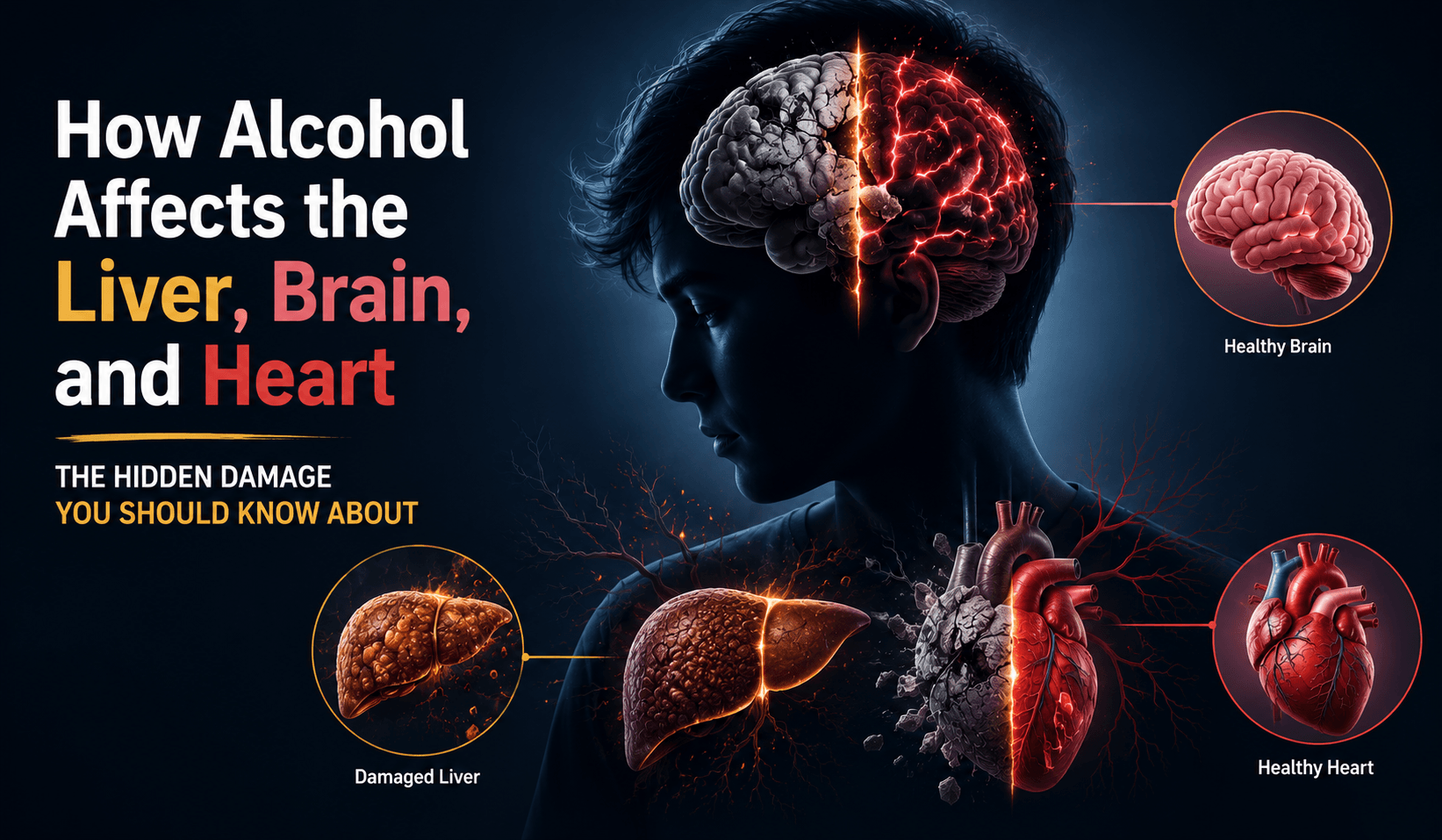
Many people think alcohol only affects them while they are drinking. They may expect a hangover the next morning or feel tired after a night out, but the real impact of alcohol goes much deeper. Regular or excessive alcohol consumption can slowly damage some of the body’s most important organs, especially the liver, brain, and heart. The frightening part is that much of this damage develops silently. You may not notice any warning signs until serious health problems begin to appear. The good news is that it is never too late to make a positive change. Reducing alcohol intake or seeking professional treatment can help prevent further damage and, in many cases, allow the body to heal. At We Can Rehab, individuals receive expert care to overcome alcohol addiction while learning how to rebuild both their physical and mental health. Understanding how alcohol affects the body is often the first step toward choosing recovery.
What Happens to Your Body When You Drink Alcohol?
After you consume alcohol, it quickly enters your bloodstream and travels throughout your body. Every major organ is affected in some way. The liver begins working to break down the alcohol. The brain responds by slowing communication between nerve cells. The heart changes how it pumps blood. Even your digestive system, immune system, and hormones can be affected. Occasional drinking may not cause lasting harm for everyone. However, frequent or heavy drinking places continuous stress on the body, increasing the risk of long term health problems. Over time, these effects become more difficult to reverse.
How Alcohol Damages the Liver
The liver is responsible for filtering harmful substances from the blood, producing essential proteins, storing nutrients, and helping the body digest food. Since the liver processes most of the alcohol you drink, it carries the greatest burden. When alcohol is consumed regularly, liver cells become damaged. The body tries to repair itself, but repeated injury eventually leads to inflammation and scarring. This damage usually develops in stages.
1. Fatty Liver
Fatty liver is often the earliest stage of alcohol related liver disease. Excess fat begins to build up inside liver cells, making it harder for the liver to function properly. Many people experience no symptoms during this stage, which is why it often goes unnoticed. The encouraging news is that fatty liver can often improve if alcohol consumption stops early enough.
2. Alcoholic Hepatitis
If drinking continues, the liver may become inflamed. Alcoholic hepatitis can cause abdominal pain, fever, nausea, fatigue, loss of appetite, and yellowing of the skin or eyes. In severe cases, it becomes a life threatening medical condition that requires immediate treatment.
3. Liver Cirrhosis
Cirrhosis is the most advanced stage of liver damage. Healthy liver tissue is gradually replaced with permanent scar tissue, reducing the liver’s ability to perform its normal functions. Unfortunately, cirrhosis cannot usually be reversed. However, stopping alcohol can slow further damage and improve overall health. The earlier treatment begins, the better the chances of protecting liver function.
How Alcohol Affects the Brain
The brain depends on balanced communication between billions of nerve cells. Alcohol interferes with this communication almost immediately. Even after a few drinks, concentration becomes weaker, judgment declines, reaction time slows, and coordination becomes poor. These temporary effects are familiar to many people. Long term alcohol use causes much deeper problems.
1. Memory and Learning Problems
Regular heavy drinking can affect areas of the brain responsible for learning and memory. People may struggle to remember conversations, make decisions, solve problems, or concentrate at work and home. These difficulties often become more noticeable as alcohol dependence continues.
2. Mental Health Challenges
Alcohol and mental health are closely connected. Although some people drink to reduce stress or anxiety, alcohol often makes these conditions worse over time. Long term alcohol misuse is associated with depression, anxiety disorders, mood swings, irritability, and increased emotional instability. Many individuals find that their mental health begins to improve once they receive professional treatment and maintain sobriety.
3. Changes in Brain Function
Years of heavy alcohol use can actually shrink certain parts of the brain and damage nerve cells. This may affect thinking ability, balance, coordination, emotional control, and decision making. The brain has an amazing ability to heal, but recovery depends on factors such as age, overall health, and how long alcohol has been used. The sooner a person stops drinking, the greater the opportunity for recovery.
How Alcohol Affects the Heart
Many people are surprised to learn that alcohol can also damage the heart. Although some earlier studies suggested possible benefits of light drinking, current evidence shows that heavy and frequent alcohol use significantly increases the risk of cardiovascular disease.
1. High Blood Pressure
Alcohol can raise blood pressure over time. High blood pressure forces the heart to work harder, increasing the risk of heart attack, stroke, and kidney disease. Reducing alcohol intake often helps improve blood pressure control.
2. Irregular Heartbeat
Heavy drinking can interfere with the heart’s normal rhythm. Some people develop irregular heartbeats, known as arrhythmias, which may cause palpitations, dizziness, shortness of breath, or chest discomfort. Repeated episodes can increase the risk of more serious heart complications.
3. Weakened Heart Muscle
Long term alcohol misuse may weaken the heart muscle, making it less effective at pumping blood throughout the body. This condition, called alcoholic cardiomyopathy, can lead to fatigue, swelling in the legs, breathing difficulties, and heart failure if left untreated. Seeking treatment early can help prevent further damage.
Alcohol Affects More Than Just Three Organs
While the liver, brain, and heart receive much of the attention, alcohol impacts nearly every system in the body. It weakens the immune system, making infections more likely. It can damage the digestive system, increase the risk of several cancers, affect sleep quality, reduce fertility, weaken bones, and contribute to nutritional deficiencies. Simply put, alcohol dependence affects the whole person, not just one organ. That is why recovery should focus on complete physical and emotional healing.
Can the Body Recover After Quitting Alcohol?
One of the most hopeful aspects of recovery is the body’s remarkable ability to heal. Many positive changes begin within days or weeks after stopping alcohol. Sleep often improves, energy levels increase, blood pressure may become more stable, and mental clarity gradually returns. The liver can also recover from early damage such as fatty liver if alcohol use stops before permanent scarring develops. Although some conditions like advanced cirrhosis cannot be reversed, stopping alcohol can still prevent further damage and improve quality of life. Every day without alcohol gives the body another opportunity to heal.
Why Professional Treatment Matters
Quitting alcohol is not always easy. Many people experience withdrawal symptoms, emotional challenges, and strong cravings that make recovery difficult without support. Professional rehabilitation programs provide medical supervision, counseling, behavioral therapy, relapse prevention, and ongoing guidance throughout recovery. Instead of facing addiction alone, individuals receive expert care that addresses both the physical and emotional effects of alcohol dependence. Recovery becomes safer, more manageable, and more sustainable.
Effects of Alcohol on Major Organs
Organ | How Alcohol Affects It | Possible Long Term Problems |
Liver | Fat accumulation, inflammation, scarring | Fatty liver, alcoholic hepatitis, cirrhosis |
Brain | Slows brain function and damages nerve cells | Memory loss, poor judgment, depression, cognitive decline |
Heart | Raises blood pressure and weakens heart muscle | Arrhythmias, cardiomyopathy, heart failure, stroke |
Why Choose We Can Rehab?
At We Can Rehab, the best alcohol addiction treatment facility in Kolkata, recovery goes beyond helping people stop drinking. The goal is to restore overall health and improve quality of life. The experienced team provides medically supervised detox, personalized treatment plans, individual counseling, group therapy, family support, and relapse prevention strategies tailored to each person’s needs. Every individual is treated with compassion, respect, and understanding throughout their recovery journey. Whether someone has recently recognized a drinking problem or has struggled with alcohol addiction for years, we offer the professional support needed to begin lasting recovery with confidence.
Final Thoughts
Alcohol may seem harmless when consumed occasionally, but regular or excessive drinking can quietly damage the liver, brain, heart, and many other parts of the body. The encouraging news is that recovery is possible. Seeking help early not only improves the chances of overcoming alcohol addiction but also gives the body the best opportunity to heal and regain strength. If you or someone you love is struggling with alcohol dependence, professional treatment can provide the support needed to build a healthier, alcohol free future. The first step may feel difficult, but it can lead to a lifetime of positive change.
FAQs
1. Which organ is most affected by alcohol?
The liver is usually the first organ to experience significant damage because it processes most of the alcohol consumed. However, alcohol also affects the brain, heart, digestive system, and many other organs.
2. Can liver damage caused by alcohol be reversed?
Early stage liver damage, such as fatty liver, may improve after stopping alcohol. Advanced conditions like cirrhosis are generally irreversible, but treatment can help prevent further damage.
3. Does We Can Rehab provide treatment for alcohol addiction?
Yes. We Can Rehab offers comprehensive alcohol addiction treatment, including medically supervised detox, residential rehabilitation, counseling, therapy, relapse prevention, and ongoing recovery support.
4. How does We Can Rehab help people recover from alcohol addiction?
We Can Rehab creates personalized treatment plans that address both the physical and emotional effects of alcohol dependence. The experienced team provides compassionate care in a structured environment to support long term recovery.
5. Can the brain and heart recover after quitting alcohol?
Many improvements are possible after stopping alcohol, especially when treatment begins early. Mental clarity, mood, sleep, and heart health often improve over time, although recovery depends on the severity and duration of alcohol use.