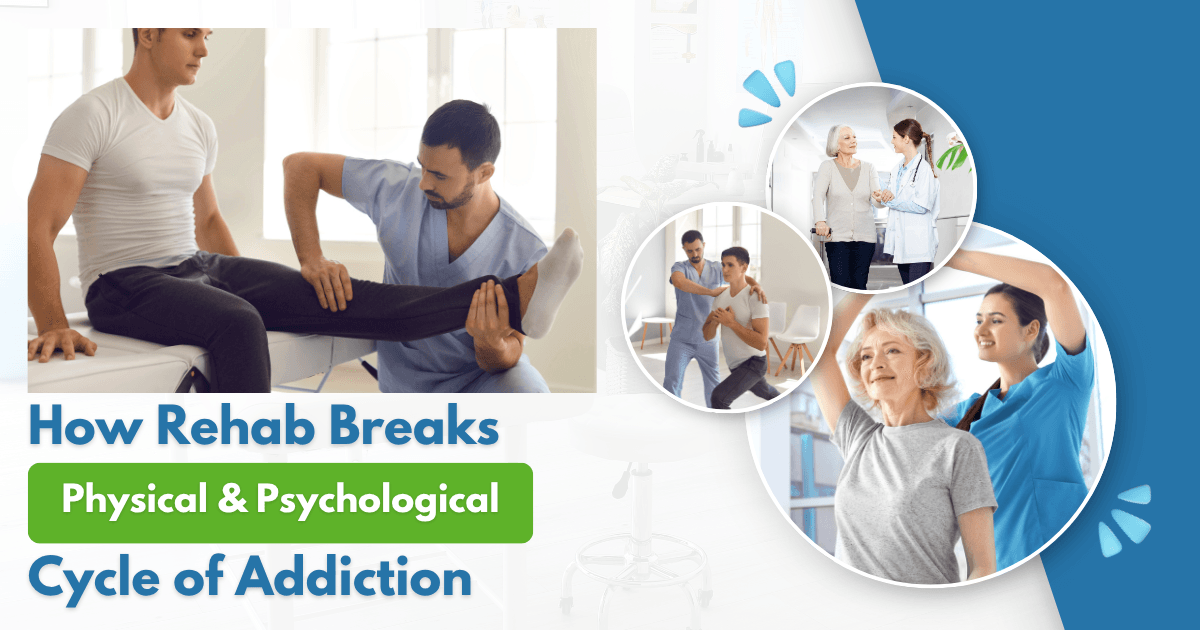
Addiction can become a difficult cycle where physical dependence and psychological cravings keep reinforcing each other. A person may use a substance for pleasure or temporary relief, experience withdrawal or emotional distress when it wears off, and then use it again to feel better. Over time, this pattern can become harder to control. Rehabilitation can help interrupt this cycle by addressing both the body and the mind. Detoxification can help manage physical dependence, while counselling and behavioural therapies can address triggers, thought patterns, emotional struggles, and habits connected with substance use. A structured rehab program can also provide the support needed to develop healthier routines and reduce the risk of relapse.
Understanding the Physical and Psychological Cycle of Addiction
Addiction is more than simply having a habit that someone can stop whenever they want. Continued substance use can create changes in the brain and body that make controlling use increasingly difficult. The addiction cycle is often described through three connected stages: intoxication, withdrawal or negative emotional states, and preoccupation or anticipation. For example, someone may drink alcohol to relax after a stressful day. As dependence develops, they may begin experiencing anxiety, irritability, sleep problems, or other withdrawal symptoms when they do not drink. They may then drink again to escape those uncomfortable feelings. This creates a repeating pattern:
| Stage | What May Happen |
|---|---|
| Substance use | The person experiences temporary pleasure or relief. |
| Withdrawal | Physical or emotional discomfort appears when the substance wears off. |
| Craving | The person begins thinking about using again. |
| Repeated use | The substance is used to feel better or avoid discomfort. |
| Dependence | The cycle becomes increasingly difficult to break alone. |
Breaking this pattern requires more than simply removing the substance. Both physical dependence and psychological triggers need attention.
Detox Helps Break the Physical Dependence
The first stage of many rehabilitation programs is detoxification or withdrawal management. During this stage, the body begins adjusting to the absence of the substance. Withdrawal can involve symptoms such as sweating, shaking, nausea, sleep problems, anxiety, irritability, and strong cravings. Depending on the substance and the person’s condition, withdrawal can sometimes become medically serious. This is why supervised detox can be important. At We Can Rehab, medically supervised detoxification is part of the recovery approach, with professional monitoring intended to help manage withdrawal symptoms and reduce complications. Detox does not complete addiction treatment. Instead, it helps stabilise the physical side of addiction so the person can begin focusing more effectively on the psychological and behavioural aspects of recovery.
Therapy Addresses the Psychological Side
Physical dependence is only one part of addiction. A person may continue to experience cravings, emotional triggers, unhealthy thought patterns, or strong associations with substance use even after the substance has left the body. This is where therapy becomes important. Cognitive Behavioural Therapy (CBT), for example, can help individuals recognise thoughts and situations that contribute to substance use. They can learn to identify triggers and develop healthier ways to respond. At We Can Rehab, therapeutic support includes CBT, individual counselling, group therapy, family counselling, and motivational approaches. These therapies can help individuals understand why they use substances and what they can do differently when difficult situations arise.
Identifying the Triggers Behind Substance Use
Addiction often has specific triggers. These may include stress, loneliness, relationship conflicts, certain social situations, emotional pain, or people and places associated with previous substance use. Simply telling someone to avoid alcohol or drugs does not teach them how to handle these triggers. Rehabilitation provides an opportunity to identify these patterns. Through counselling, individuals can ask questions such as:
- What usually happens before I feel like using?
- Which emotions make my cravings stronger?
- Which people or situations increase my risk?
- How have I responded to stress in the past?
- What healthier response could I use next time?
Understanding these connections can make cravings easier to recognise and manage.
Replacing Unhealthy Coping Patterns
Many people use substances as a way to cope with difficult emotions. Alcohol or drugs may temporarily provide relaxation, confidence, escape, or emotional numbness. However, these effects do not solve the underlying problem. Rehab can introduce healthier coping strategies. Depending on the person’s needs, these may include counselling, mindfulness, exercise, relaxation techniques, structured activities, social support, and improved daily routines. We Can Rehab also incorporates wellness-focused approaches such as yoga, meditation, and nutrition guidance as part of its broader recovery support. The goal is not simply to remove an old habit but to help build healthier alternatives.
A Structured Environment Creates Distance From Triggers
Trying to recover in the same environment where substance use regularly occurred can be challenging. Familiar people, places, routines, and stressful situations may quickly bring back cravings. A structured rehabilitation setting can create temporary distance from these triggers. It gives individuals time to focus on recovery without constantly dealing with the same pressures. A structured routine may include therapy sessions, medical monitoring, healthy meals, physical activities, group interactions, and time for rest. This structure can help individuals develop healthier routines before gradually returning to everyday responsibilities.
Medical Care Supports the Physical Recovery Process
Addiction can affect physical health in many ways. Depending on the substance and duration of use, individuals may experience nutritional problems, sleep disturbances, organ damage, or other health concerns. Medical supervision allows professionals to monitor the person’s condition and respond when additional care is needed. Medication may also be considered when clinically appropriate to manage withdrawal or cravings. We Can Rehab states that its treatment approach combines medical care with psychological and emotional support, helping address different aspects of addiction rather than focusing only on detoxification. This integrated approach can make recovery more comprehensive.
Group Support Reduces Isolation
Addiction can leave people feeling ashamed, misunderstood, or isolated. Some may avoid talking about their struggles because they fear judgement. Group therapy provides an opportunity to meet others facing similar challenges. Listening to other people’s experiences can reduce feelings of isolation and encourage individuals to remain engaged with treatment. Group settings can also help develop communication, accountability, and social skills. We Can Rehab includes group therapy and community support as part of its rehabilitation approach. For many people, knowing that they are not facing recovery alone can make the process feel more manageable.
Family Support Can Strengthen Recovery
Addiction rarely affects only one person. It can create stress, mistrust, communication problems, and emotional pain within families. Family counselling can help loved ones understand addiction more clearly and learn how to provide appropriate support. It can also help families establish healthier boundaries and improve communication. We Can Rehab provides family counselling as part of its treatment approach, recognising the importance of a supportive environment during recovery. When family members understand what recovery involves, they may be better prepared to support positive changes without encouraging unhealthy patterns.
Relapse Prevention Helps Break the Cycle Long-Term
Breaking addiction is not only about completing detox or spending time in rehab. The person also needs strategies for managing future cravings and difficult situations. Relapse prevention focuses on recognising warning signs and preparing responses before a high-risk situation occurs. Individuals can learn how to manage stress, avoid certain triggers, seek support, and respond to cravings without returning to substance use. Aftercare can also help maintain progress after the main treatment period ends. We Can Rehab describes aftercare and relapse prevention as components of its recovery support.
Why We Can Rehab Takes a Comprehensive Approach
At We Can Rehab, the best addiction recovery centre in Kolkata, is approached through physical, psychological, social, and emotional support. Its programs include medically supervised detoxification, counselling, behavioural therapies, group support, family counselling, wellness practices, and relapse prevention. This matters because addiction is rarely caused by one factor. A person may need medical support to manage withdrawal while also needing therapy to understand emotional triggers and behavioural patterns. Addressing these areas together can help create a stronger foundation for recovery.
Conclusion
Addiction can create a powerful physical and psychological cycle, where substance use leads to temporary relief, withdrawal or emotional distress, cravings, and repeated use. Breaking this cycle requires more than simply stopping the substance. Rehabilitation can provide a structured environment where physical dependence, psychological triggers, emotional struggles, and unhealthy behaviours can be addressed together. Through supervised detox, medical care, counselling, behavioural therapy, family involvement, peer support, healthy routines, and relapse prevention, individuals can gradually develop healthier ways to manage life without relying on addictive substances. At We Can Rehab, the focus is on supporting recovery across the physical and psychological aspects of addiction, helping individuals move beyond the cycle and work toward a healthier, more stable life.
FAQs:
1. How does We Can Rehab help break the addiction cycle?
We Can Rehab combines detoxification, medical support, counselling, therapy, group support, and relapse prevention.
2. Does We Can Rehab provide supervised detox?
Yes. Its detox program includes professional medical supervision to help manage withdrawal safely.
3. What therapies are available at We Can Rehab?
Treatment includes CBT, individual counselling, group therapy, family counselling, and motivational approaches.
4. Does We Can Rehab address psychological triggers?
Yes. Counselling and behavioural therapies help individuals identify triggers and develop healthier coping strategies.
5. Does We Can Rehab provide relapse prevention support?
Yes. Aftercare and relapse prevention support help individuals manage triggers and maintain their recovery.