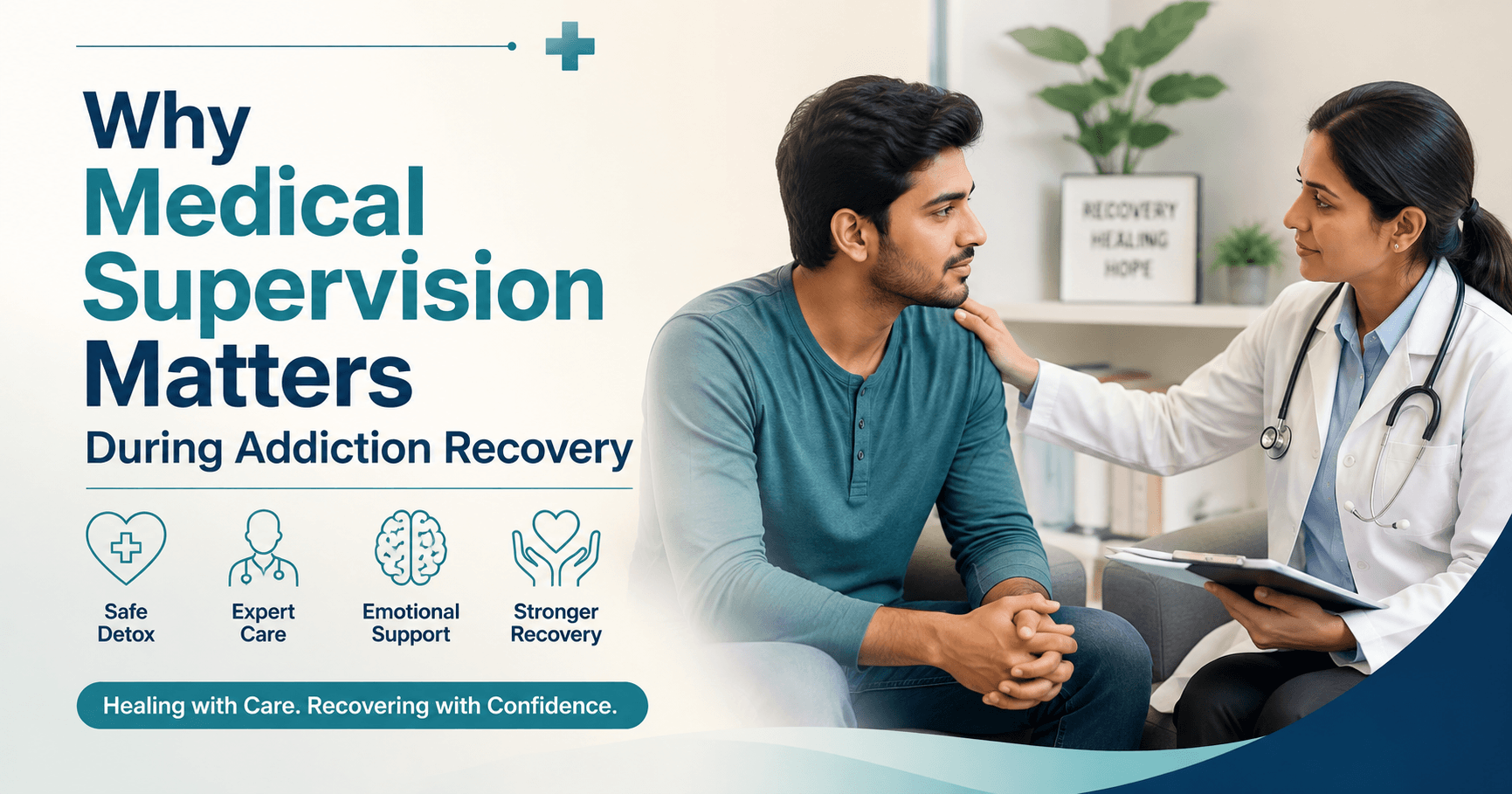
Addiction recovery is not simply about stopping alcohol or drug use. For many people, withdrawal, cravings, sleep problems, emotional changes, and underlying health concerns can make the process difficult. This is why medical supervision can play an important role during recovery. Professional support helps individuals manage withdrawal safely, understand their physical and emotional needs, and build a stronger foundation for long-term recovery. Whether someone is beginning recovery for the first time or returning after a relapse, having trained professionals nearby can provide structure, monitoring, and timely support. Medical supervision does not mean that a person loses control of their recovery. Instead, it creates a safer environment where treatment can be adjusted according to individual needs.
What Does Medical Supervision Mean in Addiction Recovery?
Medical supervision means receiving professional monitoring and care from qualified doctors, nurses, therapists, and other trained healthcare professionals during addiction treatment. The level of supervision depends on the person’s substance use, health condition, withdrawal risk, and treatment needs. During supervised recovery, professionals may monitor vital signs, assess withdrawal symptoms, review medications, provide counselling, and respond to unexpected complications. They can also identify health problems that may have been overlooked while the person was focused on obtaining or using substances. This approach is particularly important when withdrawal may become severe. Instead of expecting someone to manage every symptom alone, medical professionals can observe changes and provide appropriate care when needed.
Biggest Reasons Why Medical Supervision Matters
One of the biggest reasons medical supervision matters is withdrawal. When someone regularly uses alcohol or certain drugs, the body can become dependent on them. Suddenly stopping may cause physical and psychological symptoms. Common withdrawal symptoms can include:
| Physical Symptoms | Emotional and Mental Symptoms |
|---|---|
| Sweating | Anxiety |
| Shaking | Irritability |
| Headaches | Restlessness |
| Nausea | Mood changes |
| Trouble sleeping | Difficulty concentrating |
| Increased heart rate | Strong cravings |
The severity of withdrawal varies from person to person. Some individuals experience mild symptoms, while others may develop serious complications that require urgent medical attention. Alcohol withdrawal, in particular, can sometimes become dangerous. Medical supervision allows healthcare professionals to monitor symptoms and determine whether additional medical treatment is necessary. This can make the withdrawal process safer and more manageable. Have a look at the biggest reasons why you need medical supervision:
1. Helps Identify Underlying Health Problems
Long-term substance use can affect several parts of the body. A person may have nutritional deficiencies, liver problems, cardiovascular concerns, sleep disorders, mental health challenges, or other conditions that require attention. During a medically supervised assessment, healthcare professionals can review the person’s medical history and current symptoms. Depending on the situation, they may recommend physical examinations, laboratory tests, or other assessments. Finding these concerns early can help treatment professionals create a more suitable recovery plan. Treating addiction while ignoring significant health problems can make recovery more difficult. Addressing both areas can support better overall wellbeing.
2. Provides Safer Medication Management
Medication may sometimes be included in addiction treatment. However, medications need to be selected and monitored carefully because every person’s health history and recovery needs are different. Medical professionals can determine whether a medication is appropriate, explain how it should be used, and monitor possible side effects. They can also review other medications or health conditions that could affect treatment. Self-medication can create additional risks, particularly when someone is experiencing withdrawal, anxiety, insomnia, or physical discomfort. Professional supervision reduces the chance of inappropriate medication use and allows concerns to be addressed quickly.
3. Supports Mental and Emotional Health
Addiction does not only affect the body. It can also influence emotions, relationships, confidence, decision-making, and daily routines. Some people use alcohol or drugs as a way to cope with stress, grief, trauma, loneliness, anxiety, or other difficult experiences. Medical supervision can work alongside counselling and behavioural therapies to address these concerns. Mental health professionals can help individuals understand emotional triggers and develop healthier coping strategies. For example, someone who previously drank after a stressful workday may learn relaxation techniques, communication skills, exercise routines, or other healthier ways to respond to stress. This combination of medical care and psychological support can make recovery more comprehensive.
4. Regular Monitoring Helps Detect Problems Early
Recovery is not always a smooth or predictable process. Symptoms can change, cravings can become stronger, and emotional difficulties may appear unexpectedly. Regular monitoring gives professionals an opportunity to notice these changes early. They can then adjust the treatment plan rather than waiting until the situation becomes more serious. For example, if someone is experiencing persistent sleep problems, severe anxiety, medication side effects, or increasing cravings, the treatment team can assess the situation and recommend appropriate support. Early intervention can prevent small difficulties from becoming major obstacles to recovery.
5. Creates Structure During the Early Stages
The beginning of recovery can feel overwhelming. A person may suddenly need to change routines, avoid triggers, manage cravings, repair relationships, and cope with emotions without relying on substances. A structured treatment environment can make these changes easier to manage. Scheduled medical check-ins, therapy sessions, healthy meals, rest, physical activity, and recovery-focused activities can provide a predictable routine. This structure can be particularly helpful for people whose daily lives have become centred around substance use. Gradually replacing unhealthy routines with healthier habits can support long-term behavioural change.
6. Helps Prevent and Manage Relapse
Medical supervision cannot guarantee that relapse will never happen. However, professional care can help individuals understand why relapse occurs and identify warning signs before substance use resumes. Treatment professionals may help patients recognise triggers such as certain people, places, emotions, memories, or situations. They can then develop a relapse prevention plan that includes practical responses to those triggers. If a person experiences a setback, professional support can also help them return to treatment rather than viewing the setback as complete failure. Recovery is a process, and learning how to respond to challenges is an important part of it.
7. Personalised Treatment Can Improve Recovery
Addiction affects people differently. The substance involved, duration of use, physical health, mental health, family situation, previous treatment experiences, and personal goals can all influence recovery. For this reason, a standard approach may not work equally well for everyone. Medical supervision allows professionals to observe progress and make changes based on individual needs. One person may require closer withdrawal monitoring, while another may need more counselling or support for an underlying health concern. Personalised care can make treatment more relevant and practical.
8. Family Members Also Benefit From Professional Guidance
Addiction affects families as well as individuals. Family members may experience worry, frustration, financial stress, communication problems, or uncertainty about how to help. Professional treatment can provide families with education about addiction and recovery. They can learn how to communicate more effectively, set healthy boundaries, recognise warning signs, and support recovery without enabling harmful behaviour. When families understand the recovery process, they may be better prepared to provide appropriate support after formal treatment ends.
When Should Someone Consider Professional Help?
Professional addiction treatment should be considered when substance use is difficult to control, repeatedly causes problems, or continues despite negative effects on health, work, relationships, or daily life. It is especially important to seek medical advice before suddenly stopping heavy or long-term alcohol use, because withdrawal can sometimes become serious. Signs that professional support may be needed include strong cravings, repeated unsuccessful attempts to stop, withdrawal symptoms, increasing tolerance, hiding substance use, neglecting responsibilities, and continuing to use despite physical or emotional problems. Seeking help early can make it easier to understand the problem and choose an appropriate treatment approach.
Conclusion
Medical supervision matters during addiction recovery because it provides safety, monitoring, personalised care, and professional guidance when the body and mind are adjusting to life without substances. We Can Rehab provides medical supervision throughout the recovery process, helping individuals manage withdrawal symptoms, monitor their health, receive appropriate medical care, and address physical and emotional concerns under professional guidance. From managing withdrawal and medications to addressing physical health, emotional wellbeing, and relapse risks, professional support can make recovery more structured and manageable. Addiction recovery is not something a person always has to handle alone. With appropriate medical care, counselling, family support, and healthy lifestyle changes, individuals can work toward lasting recovery and rebuild their daily lives with greater confidence.
FAQs
1. Does We Can Rehab provide medical supervision during recovery?
Yes, We Can Rehab provides medical supervision to support safe and structured addiction recovery.
2. Does We Can Rehab offer supervised detoxification?
Yes, supervised detox helps individuals manage withdrawal symptoms safely.
3. What therapies does We Can Rehab offer?
It offers counselling, CBT, group therapy, and psychological support.
4. Is addiction treatment personalised at We Can Rehab?
Yes, treatment plans are designed according to each person’s recovery needs.
5. Does We Can Rehab provide aftercare support?
Yes, aftercare helps individuals maintain recovery and reduce the risk of relapse.