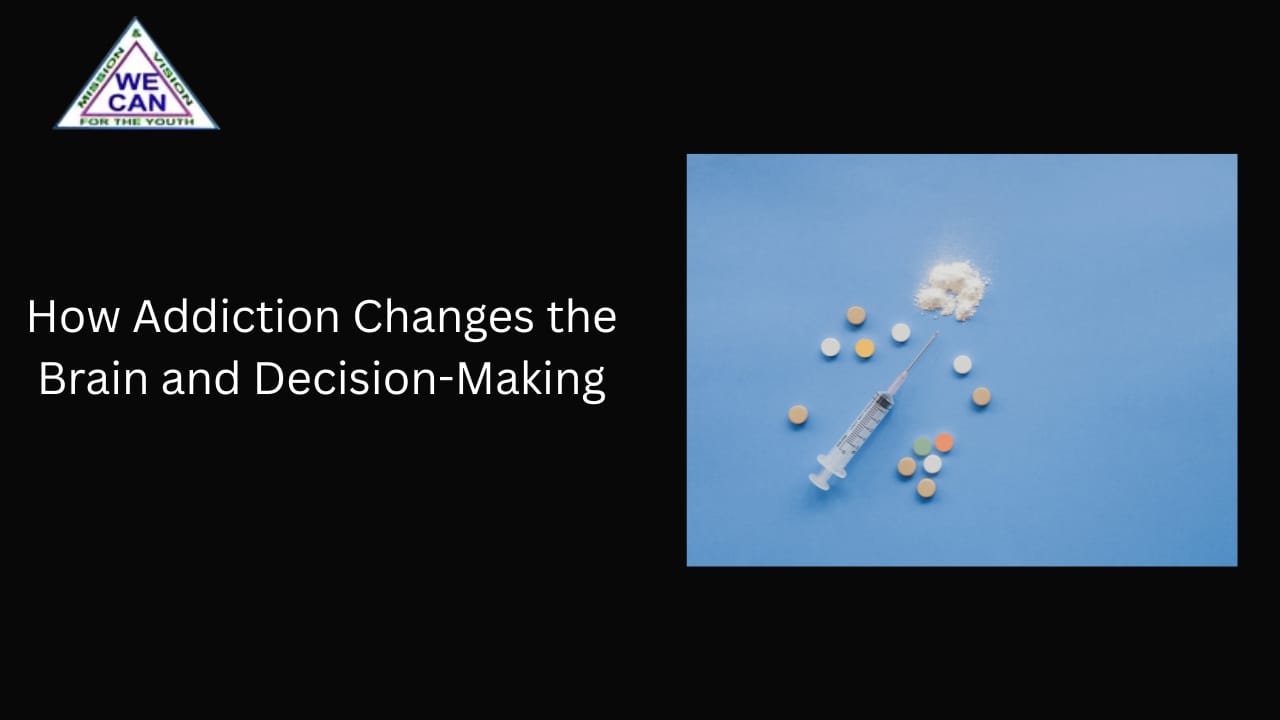
Addiction begins quietly, hidden inside everyday moments, small habits, and temporary escapes. What feels harmless at first, slowly becomes harder to ignore. A choice becomes a routine. A routine becomes a need. And before someone realizes it, the brain starts changing. Decisions become harder. Cravings become louder. Things that once mattered, like family, health, goals, and happiness, begin losing their place. That is what makes addiction so dangerous. It does not just affect behavior, it can change how the brain works, how emotions are processed, and how decisions are made. Understanding these changes helps us see addiction differently, not as a simple lack of control, but as something far more complex and far more human.
Addiction Is More Than a Habit:
Many people think addiction happens because someone lacks discipline. But modern neuroscience tells a different story. Addiction is a condition where repeated use of a substance or repeated engagement in a behavior changes brain function over time. These changes influence how a person experiences pleasure, stress, self-control, and decision-making. Addiction can involve substances such as alcohol, nicotine, opioids, or drugs, but similar brain pathways can also be affected by behaviors like gambling or compulsive digital use. What makes addiction difficult is that the brain gradually begins to prioritize the addictive behavior over everything else – even health, family, work, and long-term goals.
The Brain’s Reward System: Where Addiction Begins
The brain contains a reward system designed to help humans survive. Normally, activities like eating, achieving goals, exercising, connecting with loved ones, or learning something new release chemicals that create feelings of satisfaction and encourage healthy behaviors. One of the most important chemicals involved is dopamine. Dopamine does not simply create pleasure. It teaches the brain:
This felt good
Remember it.
Repeat it.
Addictive substances and behaviors trigger this reward system in a much stronger way than natural rewards. Over time, the brain begins to associate the addictive substance or behavior with survival-level importance. This is where the cycle begins.
What Happens Inside the Brain During Addiction?
Addiction does not only affect behavior. Over time, repeated use of a substance or repeated addictive behavior changes how different parts of the brain communicate with each other. These changes can affect pleasure, self control, emotions, memory, and the ability to make healthy decisions. That is why addiction often becomes much more than a habit.
1. The Reward Center Becomes Overactive
One of the first areas affected by addiction is the brain’s reward system. This system normally helps people enjoy healthy experiences such as eating, exercising, spending time with loved ones, or achieving goals. But addictive substances or behaviors can create much stronger reward signals than normal activities. Over time, the brain begins to expect and seek that intense feeling again and again. As a result, cravings become stronger while everyday activities start feeling less enjoyable. Hobbies, relationships, and regular routines that once brought happiness may slowly lose importance because the brain starts focusing more on getting the addictive substance or repeating the behavior.
2. The Decision Making Center Weakens
Addiction also affects the prefrontal cortex, the part of the brain responsible for planning, self control, judgment, and thinking about consequences. When this area becomes less effective, a person may understand the risks of their actions but still struggle to stop. This is why many people dealing with addiction often say they know they are harming themselves but feel unable to change their behavior. This creates an internal conflict. Logic says one thing, but cravings push in another direction. In many cases, this struggle is connected to changes in brain function rather than simply a lack of discipline.
3. Memory and Emotional Triggers Become Stronger
The brain also creates strong memories around addictive experiences. It remembers not only the substance or behavior but also the surroundings and emotions connected to it. Something as simple as visiting a familiar place, hearing a song, meeting certain people, feeling stressed, or experiencing specific emotions can trigger cravings. Even after long periods of recovery, these memory pathways may remain sensitive, which is why relapse can sometimes happen unexpectedly.
How Addiction Changes Decision Making
Decision making is more than choosing right from wrong. Healthy decisions depend on balancing immediate desires with long term consequences, controlling emotions, and assessing risk properly. Addiction disrupts this balance.
a. Short Term Relief Starts Winning : As addiction develops, the brain begins placing more value on immediate comfort or pleasure than future outcomes. A person may continue drinking despite health problems, keep gambling despite financial loss, or continue using substances despite family conflict. Often, the person understands what could happen next. The challenge is that the urge feels stronger than the ability to resist in that moment.
b. Impulse Control Becomes Weaker: Normally, the brain creates a short pause between wanting something and acting on it. That pause allows people to think before making decisions. Addiction reduces that pause. People may react quickly without fully considering consequences. This can lead to poor decisions involving money, relationships, work, personal safety, or emotional reactions.
c. Stress Makes Decision Making Even Harder: Stress plays a major role in addiction. When people feel stressed, the brain naturally shifts into survival mode. Logical thinking becomes weaker while emotional responses become stronger. For someone struggling with addiction, stress can intensify cravings and reduce self control. This is one reason relapse can happen even after long periods of progress. It is often not because the person forgot the consequences, but because stress temporarily overwhelmed the brain’s decision making system.
Why People Continue Even After Seeing the Damage
One of the most difficult questions families often ask is: if someone knows addiction is harming their life, why do they not stop? The reason is that addiction changes how the brain works. Over time, cravings can become stronger while self control becomes weaker, making it difficult to resist even when the person understands the consequences. Stopping may also bring emotional or physical discomfort, which pushes many people back toward the addictive behavior for temporary relief. In many cases, addiction is no longer about feeling good but about trying to feel normal. Understanding this helps reduce blame and encourages more supportive and effective recovery.
Can the Brain Recover?
Yes, many changes caused by addiction can improve. Recovery is rarely a straight line. Progress matters more than perfection.
The brain has something called neuroplasticity, which means it can adapt and rebuild connections. Recovery takes time. Some improvements may appear in weeks. Others can take months or years. Recovery often includes:
a. Medical Support: Professional treatment may help manage withdrawal and reduce risks.
b. Therapy: Therapies help retrain thinking patterns and decision-making.
c. Healthy Routine: Regular sleep, exercise, nutrition, and structure support brain healing.
d. Social Support: Connection reduces isolation and improves long-term recovery.
e. Trigger Management: Learning to recognize situations that increase cravings helps prevent relapse.
How Families Can Support Someone Without Enabling Addiction
Families often feel helpless when they see someone they care about struggling with addiction. Many want to help but are unsure where support ends and enabling begins. Supporting someone does not mean accepting harmful behavior or ignoring the consequences of addiction. Instead, it means encouraging treatment with understanding instead of shame, setting healthy boundaries, and avoiding constant arguments during emotionally difficult moments. Families can also help by learning how addiction affects the brain, celebrating small signs of progress, and understanding that recovery takes time. At the same time, family members should not ignore their own mental and emotional well being. Recovery becomes stronger when people feel supported, respected, and encouraged rather than judged.
Prevention: Protecting the Brain Before Addiction Starts
Prevention begins much earlier than most people realize. Addiction is not prevented by fear alone but by building habits and environments that support healthy choices. Open conversations about substances, emotions, and mental health can help people understand risks before problems begin. Learning healthy ways to manage stress, maintaining strong family and social connections, and seeking early support for anxiety or emotional struggles can also reduce vulnerability. Creating routines, finding purpose in daily life, and limiting exposure to high risk environments may strengthen decision making and emotional balance. Knowledge cannot remove every risk, but it can help people make healthier choices and build stronger protection against addiction.
Final Thoughts
Addiction changes more than behavior. It affects how the brain responds to reward, processes emotions, stores memories, and makes decisions. That is why addiction cannot be explained simply as a lack of willpower. Understanding the science behind addiction helps replace judgment with awareness and support. People living with addiction are often not only struggling with habits but also with changes in brain function, emotional pain, and intense cravings. The good news is that recovery is possible. The brain can heal, decisions can improve, and with the right support, people can rebuild healthy and meaningful lives.
FAQs:
- Does addiction permanently damage the brain?
Not always. Many brain changes improve with sustained recovery, treatment, healthy routines, and time. Some effects may take longer to heal depending on the substance and duration. - Why do people relapse even after quitting?
Relapse can happen because triggers, stress, emotional struggles, or brain reward pathways remain sensitive. Relapse does not mean recovery has failed. - Is addiction a choice or a disease?
Initial use may involve choice, but repeated addiction changes brain function and reduces control. That is why treatment and support are important. - How long does the brain take to recover from addiction?
Recovery time varies. Some changes improve within weeks, while deeper cognitive and emotional recovery may take months or longer. - Can someone recover without professional treatment?
Some people do, but professional support often improves safety, reduces relapse risk, and provides structured recovery tools and long-term support.