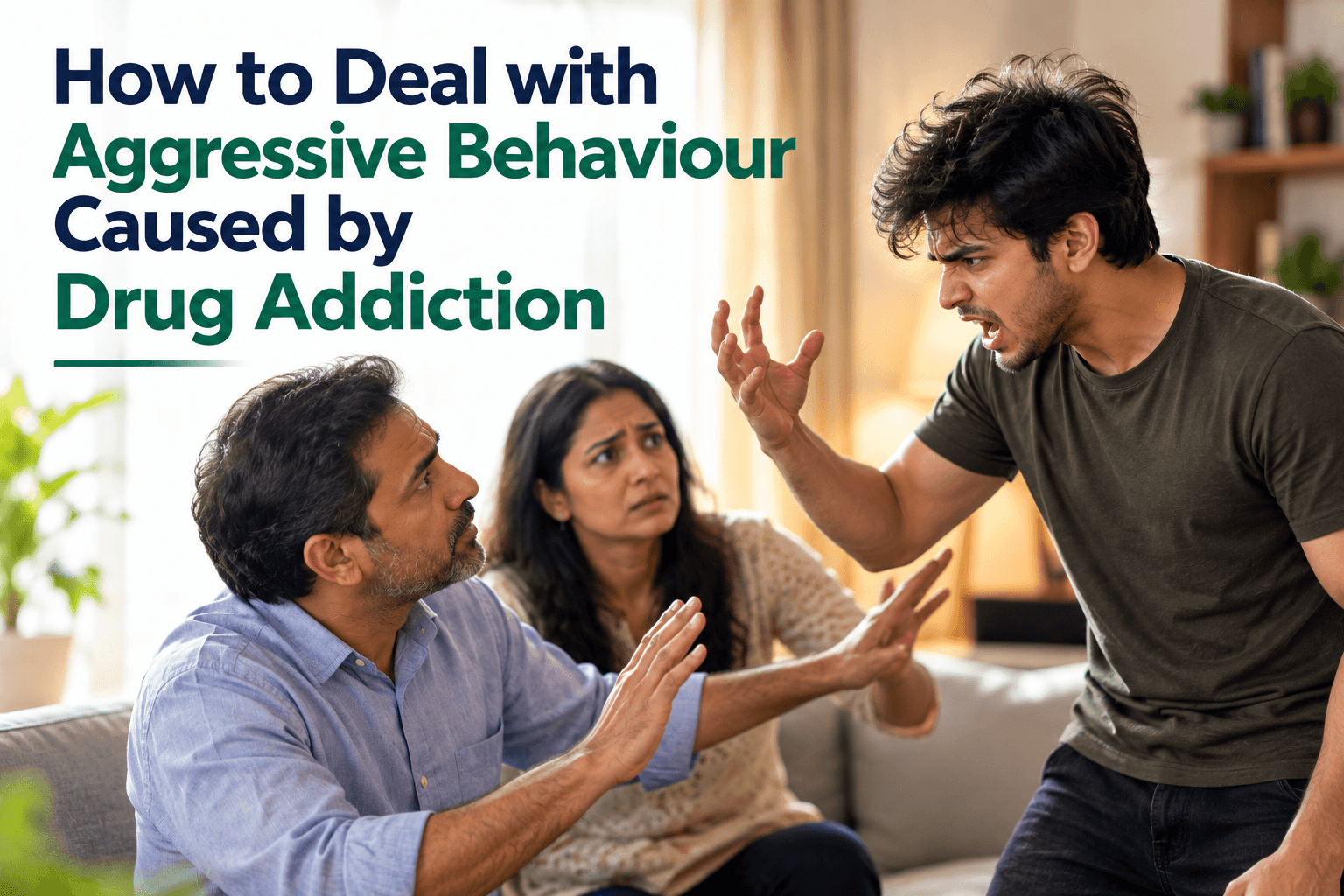
When someone in your family starts behaving aggressively, even a normal conversation can become stressful. You may notice them shouting over small issues, arguing without reason, becoming irritated easily or reacting violently when someone questions their behaviour. At first, you might think it is temporary anger or a personal problem. However, when these changes happen alongside drug use, the situation can become more complicated. You may feel frightened, confused and unsure how to respond, especially when the person is someone you love. Dealing with aggression caused by drug addiction requires patience, awareness and the right support. Knowing how to respond safely can help protect your family while encouraging the person to seek professional treatment.
Common Signs of Aggressive Behaviour Related to Drug Addiction
Aggression does not always begin with physical violence. It may develop gradually through changes in communication, mood and everyday behaviour. Recognising these signs early can help families respond before the situation becomes more serious. Some common warning signs include:
- Frequent shouting and arguments: The person may become angry over minor disagreements or react aggressively to simple questions.
- Sudden mood changes: They may move quickly from calmness to irritation, anger or emotional distress.
- Suspicious behaviour: They may become unusually distrustful, accuse family members without clear reasons or feel that others are against them.
- Threatening language: They may use intimidating words, make threats or attempt to frighten people around them.
- Physical aggression: Pushing, hitting, throwing objects or damaging household belongings may occur.
- Social withdrawal: They may avoid family members and become defensive whenever someone discusses their substance use.
These signs do not confirm drug addiction on their own. They indicate that the situation needs attention, particularly when the behaviour is new, repeated or becoming more intense.
How to Deal with Aggressive Behaviour Caused by Drug Addiction
Managing an aggressive episode can be difficult, especially when the person refuses to listen. The most important thing is not to win an argument or force an immediate change. Focus on reducing the risk of harm and getting appropriate help.
1. Stay Calm and Avoid Arguing
When someone is already angry or agitated, shouting back can make the situation worse. Try to keep your voice calm and use short, simple sentences. Avoid blaming, insulting or challenging the person. For example, instead of saying, “You always create problems for everyone,” you could say, “I can see that you are upset. Let’s talk when things are calmer.” Do not try to prove that the person is wrong during an aggressive episode. If they are intoxicated or confused, they may not be able to understand your point clearly. Give the conversation time and avoid unnecessary confrontation.
2. Maintain a Safe Distance
Personal safety should always come first. Avoid standing too close, blocking the person’s way or making sudden movements that could increase their agitation. Keep a clear route to leave the room or house if necessary. If children, older adults or other vulnerable family members are present, move them to a safer place. Do not attempt to physically restrain the person or take dangerous objects away from them if doing so could put you at risk. If the person becomes violent or makes threats, leave the immediate area and seek emergency assistance. You do not have to remain in an unsafe situation to prove that you care.
3. Identify Situations That Trigger Aggression
Try to understand whether certain situations regularly lead to aggressive behaviour. Common triggers may include discussions about money, questions about substance use, family disagreements, lack of sleep or the effects of intoxication and withdrawal. Keeping a simple record of repeated incidents may help a healthcare professional understand the pattern. Note when the behaviour occurs, what happened beforehand and whether the person appeared confused, intoxicated or physically unwell. However, do not deliberately test the person’s reactions or confront them about possible triggers during an episode. The purpose is to understand the situation and help professionals assess it.
4. Avoid Discussing Addiction During an Aggressive Episode
Trying to convince someone to stop using drugs while they are angry or intoxicated is rarely helpful. They may become defensive, refuse to listen or react more aggressively. Wait until the person is calm and able to have a conversation. Choose a private setting where they feel comfortable. Explain your concerns using specific examples rather than making accusations. You can say, “We are worried because you have been getting angry frequently, and we want you to receive the right support.” Listen to their response without judgement. The goal is to encourage a discussion about professional help, not to make them feel ashamed.
5. Set Clear Boundaries
Supporting someone with addiction does not mean accepting threatening or harmful behaviour. Explain calmly that you are willing to help them access treatment, but you will not tolerate violence, intimidation or unsafe conduct. Avoid giving money that may be used to purchase substances or repeatedly hiding the consequences of harmful behaviour. Offer practical support, such as helping arrange a medical appointment or contacting a rehabilitation provider. Family members should follow a consistent approach. If the situation becomes unsafe, prioritise your own safety and seek help rather than trying to manage everything alone.
6. Seek Professional Medical and Psychological Help
Repeated aggression should not be ignored. A healthcare professional can assess whether the behaviour is associated with substance intoxication, withdrawal, a mental health condition or another medical problem. Depending on the assessment, the person may need medical treatment, psychological support, addiction counselling or a structured rehabilitation programme. Avoid giving sleeping pills, sedatives or other medicines without medical advice. Combining substances or using medication incorrectly can create serious health risks. Similarly, do not attempt to manage severe withdrawal symptoms at home without professional guidance.
7. Encourage Rehabilitation at the Right Time
If aggressive behaviour is repeatedly affecting family life, relationships or personal safety, it may be time to discuss structured addiction treatment. A rehabilitation programme can help individuals address substance dependence, understand behavioural patterns and develop healthier ways of managing emotions. The treatment plan should be based on the person’s medical condition, substance use history and psychological needs. Approach the conversation with empathy. Explain that rehabilitation is not a punishment or a sign of failure. It is an opportunity to receive professional care and work towards a healthier life.
What Should You Do During an Aggressive Episode?
Knowing what to do in the moment can help prevent a difficult situation from becoming dangerous. The following table offers a simple guide for families.
| Situation | What You Should Do |
|---|---|
| The person starts shouting | Stay calm, avoid arguing and give them space. |
| They become suspicious or confused | Do not challenge their beliefs aggressively. Seek professional assessment. |
| They threaten family members | Move to a safe place and contact emergency services. |
| They start throwing objects | Keep your distance and move children and vulnerable people away. |
| They appear severely intoxicated or unwell | Seek urgent medical assistance. |
| Aggressive episodes happen repeatedly | Arrange an assessment with a qualified healthcare professional. |
| They are willing to discuss treatment | Help them explore suitable counselling and rehabilitation options. |
When Should You Seek Emergency Help?
Some situations require immediate medical attention rather than a family discussion or routine rehabilitation appointment. Seek urgent help if the person:
- Becomes physically violent or threatens to seriously harm someone.
- Experiences seizures, collapses or becomes unresponsive.
- Has difficulty breathing or complains of severe chest pain.
- Experiences severe confusion, hallucinations or extreme agitation.
- Shows signs of a possible overdose or serious withdrawal complication.
- Talks about suicide or threatens to harm themselves.
Do not try to handle these situations alone. Move away from immediate danger and contact local emergency services or take the person to the nearest emergency department when it is safe to do so. In India, 112 is the national emergency response number.
How WE CAN Rehab Supports People Facing Drug Addiction
- When drug addiction begins affecting behaviour, relationships and everyday responsibilities, professional guidance can become an important part of the recovery process. WE CAN Youth Welfare Organisation, established in 2013, works with individuals facing drug and alcohol addiction at its rehabilitation centre in Khurigachi, Sonarpur, Kolkata.
- The organisation describes its approach as involving detoxification, counselling and psychological rehabilitation. Its website also highlights access to general physicians, psychologists, counsellors and psychiatrists as part of its wider care approach.
- For someone experiencing repeated aggression alongside substance dependence, a professional assessment can help identify the support they may need. A trusted rehab centre in Kolkata can help families explore structured treatment options instead of trying to manage addiction-related challenges without guidance.
- WE CAN Rehab also describes follow-up support as part of its approach to helping individuals return to everyday life after treatment. Families can contact the organisation to understand its current treatment arrangements and discuss the next steps for a loved one.
Conclusion
Aggressive behaviour linked to drug addiction can create fear, confusion and emotional stress for an entire family. However, responding with anger or confrontation rarely solves the underlying problem. Staying calm, maintaining safe boundaries and recognising when professional help is needed are important steps towards managing the situation. If aggression becomes threatening or violent, safety and emergency medical assistance must come first. With appropriate assessment, structured addiction treatment and continued family support, individuals can begin working towards healthier behaviour and a more stable life. Seeking help early can make an important difference in the recovery journey.
FAQs
1. Can drug addiction cause aggressive behaviour?
Yes. Certain substances may affect judgement, impulse control and emotional regulation, contributing to irritability, agitation, paranoia or aggression. Withdrawal, sleep deprivation and other medical or psychological conditions may also influence behaviour. A professional assessment is important to identify the cause.
2. How should family members respond to someone who becomes aggressive after drug use?
Family members should remain calm, avoid arguments and maintain a safe distance. If the person becomes threatening or violent, move to a safe location and seek emergency assistance. Discuss treatment only when the person is calm and able to communicate.
3. Can rehabilitation help reduce aggression caused by drug addiction?
Rehabilitation can help address substance dependence and related behavioural or psychological challenges. Treatment may include medical assessment, counselling and other appropriate therapies. The results depend on the individual’s needs, condition and participation in treatment.
4. What services does WE CAN Rehab provide?
WE CAN Youth Welfare Organisation describes its services as including detoxification, counselling and psychological rehabilitation. Its website also mentions medical assistance and access to general physicians, psychologists, counsellors and psychiatrists. Families can contact the organisation for details about current treatment arrangements.
5. Where is WE CAN Rehab located in Kolkata?
WE CAN Rehab is located at Khurigachi, Sonarpur, Kolkata – 700150. You can contact the organisation at 9051513595 or 6291286297 to enquire about its rehabilitation and addiction support services.